Language

User account menu
  • Log in
Home
Join forum Go to Linkedin member 753
Subscribe To our newsletter member 1314
Join SCiO Open to all member 483
  • Home
    • What is SCiO?
    • Membership
  • Conference
    • 2026 Conference
    • Resources from SysPrac25
    • SysPrac25 Photo Gallery
  • Events
    • Events
    • Announcements
    • Cybernetics Society
    • Metaphorum Events
  • Courses
    • Courses
    • Course trainers
    • Learning Pathway
    • Professional Development
    • Professional Accreditation
    • Apprenticeship
    • SCiO and Cherith Simmons L7 Apprenticeship
    • Systems Practitioner Assessment website
    • Active Learning Circles
  • Resources
    • Resources
    • Books, Articles & Newsletters
    • Speakers, videos, slidedecks & podcasts
    • SCiO LinkedIn forum
    • SCiO Organisational Maturity Model
    • The VSM Test
    • SysCoI
    • SysBoK, from SCiO
  • Why Systems?
    • Why Systems?
    • Case Studies
    • Why use VSM?
    • Why use SSM?
    • Why use SD?
    • Why use CSH?
    • Why use PoS?
    • other methods
  • Countries
    • Countries
    • SCiO Belgium
    • SCiO DACH
    • SCiO Finland
    • SCiO Ireland
    • SCiO Netherlands
    • SCiO Poland
    • SCiO Spain
    • SCiO UK
search

Breadcrumb

  1. Home
  2. Resources
  3. Introduction To VSM
English
Resource

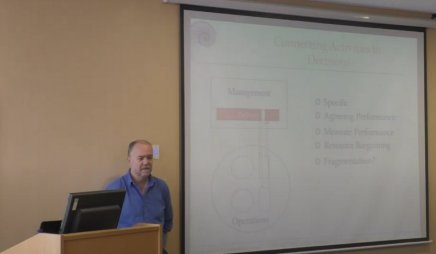
Introduction to VSM

April 2016
Patrick Hoverstadt

A brief introduction to the viable system model.

More from this author

Case Study
Patrick Hoverstadt
Using VSM to develop an approach to strengthen the Colombian public sector
PROJECT Using the Viable System Model (VSM) to develop an approach to strengthening the public sector at a national level PRACTITIONER Patrick...
Case Study
Patrick Hoverstadt
Using the Viable System Model (VSM) to design governance for UKRI
SITUATION AND CONTEXT UKRI (UK Research and Innovation) were moving from 9 to 21 Industrial Challenges in their £9 billion Industrial Strategy...
Speaker
Simon MacCormac, Patrick Hoverstadt
Multi-Methodology Approaches in System Thinking
Historically, practitioners have often relied on a single familiar approach based on their training, education, or personal biases. However, systems...
Video
Patrick Hoverstadt
What is Patterns of Strategy?
Patterns of Strategy is a dynamic approach to developing and adapting strategy in real time. It views strategy as a systemic opportunity for positive...

Pagination

  • Load more
Use with Accreditation
Publication date
April 2016
Organiser
SCiO UK
Resource attachments
  • video Video
  • book Presentation
0:18

Events associated with this resource

There are no events associated with this resource.

About us

SCiO (Systems and Complexity in Organisation), initially created by a network of practitioners in the North of England, is the UK professional body for systems practitioners. As part of the systems, cybernetics, and complexity community, SCiO supports the development and dissemination of systems practice. SCiO is a social enterprise and a not for profit organisation which is owned by its members and operates internationally.
scio logo
Links
  • Contact us
  • Privacy Notice
  • Terms and Conditions
  • Refund Policy

Newsletter

Keep up to date with what is going on.
  • Sign up
  • Manage existing subscription
User menu
  • Log in

Membership

Becoming a member of SCiO offers a way to engage in developing new approaches to managing organisations and helps to support the group’s activity. Membership is £30 a year.

Learn more

Language

© SCiO 2026, a company registered in the UK number 03499590. Registered address: Unit 14 Tower Street, Century Building, Brunswick Business Park, Liverpool, England, L3 4BJ
Made with Drupal for SCiO

Subscribe to our Newsletter

CAPTCHA
Solve this simple math problem and enter the result. E.g. for 1+3, enter 4.
Please prove you are a human visitor in order to prevent automated spam submissions.
Manage existing

Resource Licensing

We've implemented a colour-coded licensing system. Each colour represents a specific type of usage right and requirement. Below you'll find a brief explanation of what each colour indicates regarding the use of our resources. Please review this guide carefully to understand how you can engage with the content we provide.

  • Use with Accreditation
    The material is in the public domain, you may reuse with accreditation.
  • Contact the Author
    The content is company confidential or content confidential, the approach may be open, please contact the author before using.
  • Confidential – Members Only
    Everything is protected, please contact the author before using.

What are you looking for?